Evaluating Positive Progress for Your Design Projects
In the landscape of digital typography, where geometric sans-serifs and rigid slabs dominate corporate communication, there is a growing demand for typefaces that convey warmth and authenticity. Positive Progress enters this space as a lovable handwritten display typeface designed to bring clarity and positivity to visual work. For designers, marketers, and content creators, selecting the right font is often a balancing act between aesthetic appeal and functional readability. This evaluation explores what Positive Progress offers, where it excels, and when alternative choices might serve your project better.
Understanding the Design Philosophy
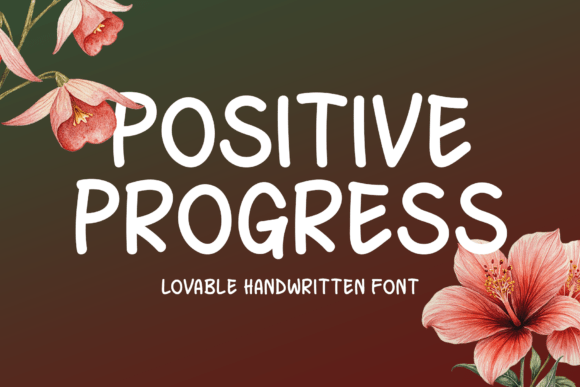
Positive Progress is not merely a collection of letters; it is a stylistic choice rooted in the human touch. As a display typeface, it mimics the natural flow of handwriting without sacrificing legibility. The design prioritizes a relaxed rhythm, avoiding the erratic spacing or inconsistent stroke widths often found in casual script fonts. Instead, it aims for a structured informality that feels genuine and encouraging.
The core characteristic of this font is its ability to bridge the gap between professional presentation and personal connection. Unlike decorative scripts that can appear overly ornate or difficult to decipher, Positive Progress maintains a level of clarity that ensures the message remains accessible. This makes it particularly relevant for projects where the tone needs to be uplifting yet trustworthy. The strokes are designed to guide the eye smoothly across words, reducing cognitive load for the reader while maintaining a sense of charm.
Why Consider a Handwritten Display Typeface?
Designers often turn to handwritten styles like Positive Progress when they need to inject personality into a brand or campaign. In an era of digital saturation, audiences frequently respond more positively to visuals that feel handmade and authentic. A standard sans-serif font may communicate efficiency, but it rarely conveys empathy or warmth. By incorporating a font with a relaxed flow, creators can soften the tone of their messaging.
There are several practical reasons to evaluate this specific typeface:
- Emotional Resonance: The font helps messages feel genuine, which is crucial for industries focused on wellness, education, community building, or lifestyle.
- Visual Hierarchy: As a display typeface, it naturally draws attention, making it ideal for headlines, logos, and key calls to action.
- Versatility: Its easy readability allows it to function effectively across both print and digital media, from social media posts to physical apparel.
Benefits and Tradeoffs
When integrating Positive Progress into a workflow, it is essential to weigh the advantages against potential limitations. Understanding these factors will help determine if the font aligns with long-term design goals.
The Advantages
The primary benefit of this typeface is its ability to humanize a brand. It removes the sterile feeling often associated with corporate design, replacing it with approachability. Because the font was designed with readability in mind, it avoids the common pitfall of "arty" scripts that fail to communicate clearly. This balance allows it to perform well in promotional layouts where both style and substance are required. Furthermore, its positive aesthetic supports branding efforts aimed at optimism and growth, reinforcing the intended message through visual form.
The Tradeoffs
However, the very qualities that make Positive Progress appealing also define its constraints. As a display typeface, it is generally not suited for large blocks of body text. While individual words or short phrases are highly legible, extended paragraphs may cause reader fatigue due to the irregular baseline and varying letter heights inherent in handwritten styles. Additionally, because the font relies on a specific aesthetic of charm and relaxation, it may clash with brands that require a strict, authoritative, or high-tech image. Using it in contexts demanding absolute neutrality could dilute the intended impact.
Ideal Use Cases
To maximize the effectiveness of Positive Progress, it should be deployed in situations where its strengths are most visible. The following scenarios represent strong fits for this typeface:
- Branding and Logos: Startups, non-profits, and creative agencies seeking a friendly identity will find this font effective for logo design. It establishes an immediate emotional connection.
- Apparel and Merchandise: On t-shirts, tote bags, and hats, the relaxed flow translates well to fabric textures, offering a stylish look that stands out against plain backgrounds.
- Music Covers and Art: Album art and event posters often benefit from the artistic flair of a handwritten font. It complements imagery related to indie music, poetry, or personal storytelling.
- Social Media Graphics: For Instagram quotes, motivational posts, or promotional stories, the font's clarity ensures the message is read quickly on small screens while retaining visual interest.
- Photo Frames and Greeting Cards: Personalized items where sentiment matters greatly are perfect candidates. The font enhances the feeling of a handwritten note.
When to Consider Alternatives
Despite its versatility, Positive Progress is not a universal solution. There are specific contexts where other typographic categories would be more appropriate. If a project involves technical documentation, legal disclaimers, or dense informational content, a standard serif or sans-serif font is superior for ensuring maximum readability over long durations.
Furthermore, consider the industry standards of your target audience. In sectors such as finance, law enforcement, or heavy industrial manufacturing, the playful nature of a handwritten display font might undermine credibility. In these cases, a more traditional, structured typeface communicates stability and precision more effectively. Similarly, if the design requires extreme scalability—such as a logo that must remain legible at microscopic sizes—the intricate details of a handwritten style may become muddy. Evaluating the scale and medium of your final output is a critical step before committing to this font.
Practical Decision-Making Insights
Determining whether Positive Progress aligns with your goals requires a systematic approach. Begin by defining the primary emotion you wish to evoke. If the answer is warmth, encouragement, or creativity, this font is a strong contender. Next, test the font in your actual layout environment. Does it pair well with your chosen body text? A good rule of thumb is to use Positive Progress for headlines and accents while reserving neutral sans-serifs for supporting text.
Also, consider the longevity of your design. Trends in typography shift, but fonts that prioritize clarity and genuine expression tend to have longer lifespans than those that rely on fleeting stylistic gimmicks. Since this typeface focuses on readability and a relaxed flow rather than excessive decoration, it has a higher likelihood of remaining relevant over time.
Ultimately, the decision rests on how well the font serves the message. Positive Progress is a tool designed to enhance communication, not replace it. By understanding its capabilities and limitations, designers can leverage its charm to create work that is not only visually appealing but also emotionally resonant. Whether for a new brand identity or a seasonal promotional campaign, evaluating the fit carefully ensures that the typography supports the broader objectives of the project.