Evaluating Magical Season Handwriting for Your Creative Projects
In the landscape of digital typography, selecting the right typeface is often the difference between a design that resonates and one that feels generic. For designers working within the holiday sector or those seeking to inject warmth into their branding, Magical Season Handwriting has emerged as a notable option. This font is designed to mimic the organic flow of human penmanship, specifically tailored to evoke the whimsy and charm associated with the Christmas season. However, before integrating it into a project portfolio, it is essential to understand its specific characteristics, how it compares to broader categories of script fonts, and the practical scenarios where it delivers the most value.
Defining the Aesthetic: What Makes This Font Distinct?
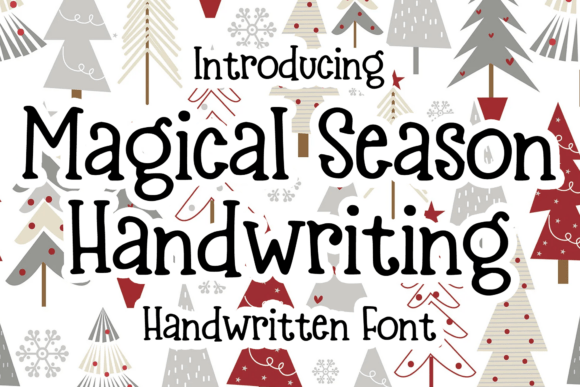
Magical Season Handwriting is not merely a standard cursive typeface; it is a stylistic interpretation of festive energy captured in letterforms. Unlike rigid, geometric sans-serifs or formal serif fonts, this typeface relies on variable stroke widths, irregular baselines, and playful ligatures to simulate the act of writing by hand. The distinctiveness lies in its ability to balance legibility with an elevated sense of playfulness. Each character carries a weight that suggests movement, making it particularly effective for short-form text where personality is paramount.
The "magical" aspect of the font refers to its decorative elements—subtle flourishes and ink-like textures that give the impression of a high-quality calligraphy pen gliding across paper. These details are crucial for projects aiming to convey nostalgia, warmth, or a personal touch. When compared to more utilitarian handwritten fonts that prioritize speed and uniformity, Magical Season Handwriting leans heavily into the decorative side, making it less suitable for dense body copy but ideal for headlines, logos, and accent text.
Comparing Script Categories: Where Does It Fit?
To evaluate whether this font is the right choice, it helps to compare it against other common typographic approaches available to designers. The market offers a wide spectrum of handwritten styles, ranging from casual marker scripts to formal calligraphy. Magical Season Handwriting occupies a middle ground known as "expressive display."
- Formal Calligraphy: Traditional calligraphy fonts often feature strict rules regarding ascenders, descenders, and spacing. They are elegant but can feel stiff or overly traditional for modern, youthful brands. In contrast, the subject font offers a looser, more contemporary vibe while maintaining a sense of sophistication.
- Casual Marker Scripts: Fonts designed to look like they were written with a thick marker are excellent for bold statements but often lack the nuance required for elegant packaging or editorial design. Magical Season Handwriting provides more variation in stroke thickness, allowing for a more refined aesthetic.
- Decorative Holiday Fonts: Many seasonal fonts rely heavily on non-typographic elements like snowflakes or holly integrated directly into the letters. While festive, these can date quickly. The advantage of this handwriting style is its versatility; it captures the spirit without being so literal that it becomes unusable outside of December.
When comparing these options, the decision often comes down to the desired emotional response. If the goal is immediate recognition of a holiday theme, a highly decorated font might work. However, if the objective is to create a timeless piece that feels festive yet sophisticated, the nuanced strokes of Magical Season Handwriting offer a superior alternative.
Practical Applications and Design Use Cases
The utility of any font is best measured by its performance in real-world applications. Magical Season Handwriting excels in environments where visual flair is the primary driver. Consider the following scenarios where this typeface adds significant value:
- Sticker and Decal Design: Stickers often require text that stands out against varied backgrounds. The unique contours of this font allow it to remain readable even when scaled down or placed on complex patterns. The organic shape prevents the text from feeling like a blocky overlay.
- Apparel and T-Shirt Concepts: On fabric, typography needs to move with the garment. A rigid font can look printed and artificial, whereas a handwritten style mimics screen-printed lettering. This font lends a "cool," approachable factor to t-shirts, making them feel like limited-edition drops rather than mass-produced items.
- Logos and Brand Identity: For small businesses, bakeries, or boutique gift shops, a logo needs to communicate character instantly. Using Magical Season Handwriting for a logo can transform a simple name into a memorable brand mark, suggesting craftsmanship and care.
- Editorial and Magazine Covers: In print media, the cover title must grab attention. This font brings excitement to comic narratives or lifestyle articles, breaking the monotony of standard serif headers. It invites the reader to engage with the content on a more personal level.
Weighing the Tradeoffs: Limitations and Decision Factors
While Magical Season Handwriting offers distinct advantages, it is not a universal solution. As with any display script, there are inherent tradeoffs that designers must consider before committing to a project. The primary limitation is readability at smaller sizes. Because the font relies on intricate details and varying stroke weights, reducing the point size can cause characters to blur together or lose their defining features.
Furthermore, the playful nature of the font may clash with serious or corporate messaging. If a project requires conveying authority, data, or legal information, this typeface is likely the wrong choice. It is best reserved for creative, emotional, or promotional content. Designers should also consider the context of the surrounding graphics. Since the font itself is quite busy, pairing it with equally complex background images can result in visual noise. It often works best when given ample negative space to breathe.
Another factor to evaluate is the scope of the project. If you are designing a long-form document, such as a newsletter or a blog post, using Magical Season Handwriting for the entire body text would be a mistake. The irregular rhythm of the letters makes sustained reading difficult. Instead, it should be treated as an accent tool—used sparingly for headlines, pull quotes, or captions to highlight key points without overwhelming the reader.
Strategic Alternatives and Complementary Styles
There are times when Magical Season Handwriting might not fully meet the specific needs of a design brief. In such cases, exploring alternatives or complementary styles is a prudent step. If the project requires a more neutral tone but still benefits from a handwritten feel, a clean, minimal script font without the decorative flourishes might be more appropriate. These alternatives provide the human touch without the specific "festive" connotation, offering greater longevity for year-round use.
Conversely, if the design demands a bolder, more impactful presence, a heavy brush script could serve as a better substitute. Brush scripts often have thicker downstrokes and a more aggressive energy, which can cut through crowded visual fields more effectively than the lighter, airier strokes of Magical Season Handwriting. Additionally, pairing this font with a sturdy sans-serif for body copy creates a balanced hierarchy. This combination allows the personality of the handwriting to shine in the headlines while ensuring the rest of the content remains accessible and easy to read.
Making the Final Decision
Choosing the right typeface is a strategic decision that impacts the overall success of a design project. Magical Season Handwriting is a powerful asset for those looking to infuse their work with the charm and coolness of the holiday season. Its versatility in sticker design, apparel, and branding makes it a strong contender for creative professionals who want to stand out.
However, its effectiveness depends on proper application. It thrives in short bursts of text where personality is key but struggles in long-form reading or contexts requiring strict formality. By understanding its strengths, limitations, and how it compares to other script categories, designers can make informed choices. Whether used to animate a unique sticker, lend flair to a t-shirt concept, or give a magazine cover an unforgettable twist, this font transforms ordinary text into a visual experience. Ultimately, the decision to use it should be guided by the specific goals of the project and the audience it aims to reach.