Rumpaka: A Bold Fusion of Tradition and Modernity in Typography
Rumpaka is more than just a font—it's a visual celebration of cultural depth and contemporary design. Born from the creative vision of the Mirachma Project, Rumpaka bridges the gap between heritage and modern aesthetics. Its name, derived from the Sundanese word for song lyrics or poetic literature, reflects its purpose: to elevate text into a form of artistic expression. Whether used in branding, editorial design, or advertising, Rumpaka brings a unique voice to visual communication.
The Origins and Meaning Behind Rumpaka
The Mirachma Project, known for its culturally rooted design initiatives, developed Rumpaka as a tribute to Sundanese tradition. In Sundanese culture, rumpaka refers to poetic verses that carry deep emotional and historical significance. By naming the font after this concept, the designer aimed to infuse typographic design with the same expressive power found in traditional song and poetry.
This cultural foundation is evident in the font’s structure. While Rumpaka is unmistakably modern in its execution, its essence is deeply rooted in tradition. It serves as a reminder that typography can be both a functional tool and a storytelling medium, especially when it carries the weight of cultural meaning.
Design Characteristics That Stand Out
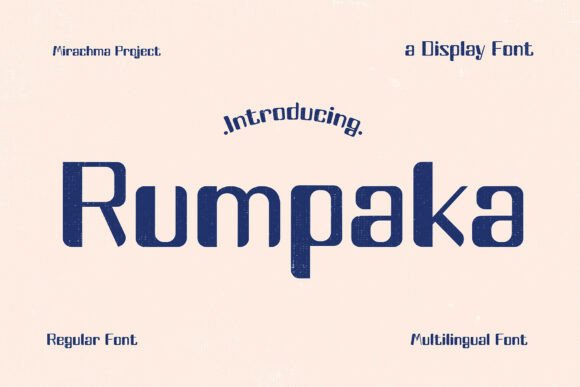
At first glance, Rumpaka commands attention with its bold structure and clean geometry. Its design balances strength and elegance, making it ideal for high-impact applications. The font features:
- Distinctive Rounded Edges: These soften the overall appearance of the font while maintaining its boldness, creating a harmonious visual rhythm.
- Generous Spacing: Ensures clarity and readability, even at smaller sizes or in complex layouts.
- Strong, Balanced Forms: The geometric foundation gives Rumpaka a stable, confident presence that works well in headlines and branding elements.
Despite its traditional inspiration, Rumpaka doesn’t feel outdated. Its clean lines and modern proportions make it versatile enough to fit seamlessly into contemporary design workflows. This duality makes it a standout choice for designers who want to convey both heritage and innovation.
Practical Applications Across Design Industries
One of Rumpaka’s greatest strengths lies in its adaptability. As a multilingual, regular-weight font, it supports a wide range of languages and design contexts. Here are some of the most effective use cases:
Branding and Identity Design
For brands that want to communicate authenticity and cultural richness, Rumpaka offers a distinctive visual identity. Its bold presence works well in logos, especially for brands rooted in tradition or those aiming to evoke a sense of nostalgia. From artisanal product packaging to boutique fashion labels, Rumpaka adds a layer of sophistication without sacrificing clarity.
Editorial and Advertising Design
Magazines, newspapers, and promotional materials benefit from Rumpaka’s readability and visual impact. It performs exceptionally well in headlines and pull quotes, where its strong structure draws the eye without overwhelming the layout. Designers can pair it with simpler sans-serif fonts for body text to create a balanced, aesthetically pleasing composition.
Poster and Merchandise Design
Rumpaka shines in poster design, where typography often plays a central role in visual storytelling. Its boldness and clean design make it perfect for event posters, cultural exhibitions, and promotional merchandise. Whether printed on fabric, vinyl, or paper, Rumpaka maintains its clarity and visual appeal.
Why Rumpaka Works in Modern Workflows
In today’s design landscape, versatility is key. Rumpaka meets this demand by offering a font that’s both culturally rich and technically sound. Its multilingual support ensures it can be used across international markets, while its geometric clarity makes it compatible with modern digital tools and platforms.
Designers working in Adobe Creative Suite, Figma, or Canva will find Rumpaka easy to integrate into their projects. It scales well across digital and print formats, maintaining its legibility and aesthetic appeal whether used on a mobile screen or a large-format poster.
Choosing Rumpaka: Key Considerations
When selecting a font for a design project, several factors come into play—tone, readability, cultural relevance, and technical compatibility. Rumpaka excels in all these areas, but it’s particularly well-suited for projects that aim to:
- Convey cultural heritage or authenticity
- Create a bold, memorable visual identity
- Balance tradition with modern design sensibilities
It’s important to note that while Rumpaka is highly readable in headlines and short text blocks, it’s best used sparingly in long-form content. For body text, pairing it with a more neutral font ensures optimal readability without sacrificing visual interest.
Final Thoughts on Rumpaka’s Design Legacy
Rumpaka is more than a typeface—it’s a testament to how design can honor the past while embracing the future. Its unique blend of cultural inspiration and modern execution makes it a valuable asset for designers across industries. Whether you're crafting a logo, designing a magazine layout, or developing a brand identity, Rumpaka offers a compelling way to connect with audiences through visual storytelling.
As design continues to evolve, fonts like Rumpaka remind us that typography is not just about legibility—it’s about emotion, culture, and the stories we tell through every letterform. If you're looking for a font that carries meaning, impact, and beauty, Rumpaka might just be the perfect choice for your next project.