Pienaple: A Practical Evaluation of a Handwritten Display Font
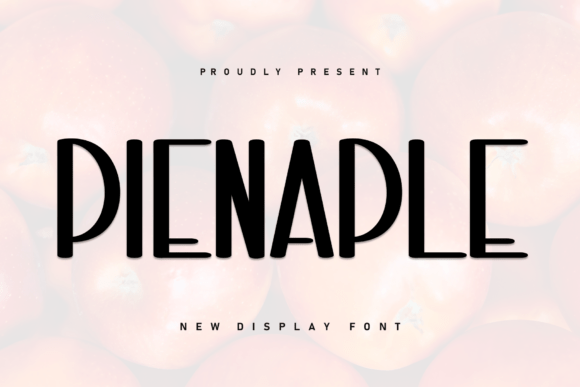
In the realm of digital typography, the choice of typeface often dictates the emotional resonance of a design. Pienaple is a sweet and beautiful handwritten display font that has garnered attention for its distinct character. Featuring characters that dance along the baseline, this font aims to add a cozy accent to any design project you wish to create. However, before integrating it into a workflow, it is essential to evaluate whether its specific aesthetic qualities align with your functional requirements.
Understanding the Design Intent of Pienaple
To make an informed decision, one must first understand what Pienaple is fundamentally designed to be. It is not a standard serif or sans-serif typeface intended for long-form reading. Instead, it belongs to the category of display fonts, specifically those mimicking human handwriting. The defining characteristic of Pienaple is its dynamic baseline. Unlike rigid geometric fonts where every letter sits on a straight line, the letters in Pienaple fluctuate, creating a sense of movement and organic flow.
This "dancing" quality is achieved through varying x-heights and ascenders/descenders that interact playfully with the text line. The strokes are typically rounded and soft, avoiding sharp angles to maintain a friendly approachability. This design intent suggests that the font is best suited for headlines, short phrases, and decorative elements rather than body copy. When evaluating Pienaple, consider it as a tool for establishing tone rather than conveying dense information.
Reasons to Consider Pienaple for Your Projects
There are several practical reasons why a designer or content creator might choose Pienaple over other typographic options. The primary driver is usually the need to evoke specific emotions such as warmth, nostalgia, or intimacy. In industries like lifestyle blogging, boutique retail, or personal branding, the ability to convey a "handmade" feel is valuable. Pienaple excels here by breaking the mechanical stiffness of digital interfaces.
Furthermore, the unique baseline movement adds visual interest without requiring additional graphic elements. In a layout where space is limited, the inherent rhythm of the font can guide the reader's eye effectively. For projects targeting audiences who value authenticity and personal connection, the imperfect nature of the handwriting style can serve as a trust signal. It suggests a human touch behind the brand or message, which is increasingly important in a saturated digital marketplace.
Benefits and Tradeoffs of the Handwritten Style
While the aesthetic benefits of Pienaple are clear, they come with inherent tradeoffs that must be weighed against project goals. The most significant advantage is versatility within its niche. Because the font is legible yet stylized, it works well across various mediums, from social media graphics to packaging labels. It allows for customization in size without losing its core identity, provided it remains at a readable scale.
However, the tradeoff lies in readability and scalability. Handwritten fonts generally suffer when used for large blocks of text. The irregular spacing and varying heights can cause eye strain if a user attempts to read a paragraph set entirely in Pienaple. Additionally, while the "dancing" baseline looks charming at larger sizes, it may appear chaotic or messy when scaled down for small mobile screens or fine print. Designers must also consider accessibility; users with dyslexia or visual impairments may find the irregular shapes more difficult to process compared to structured typefaces.
Ideal Situations for Using Pienaple
Pienaple is a strong fit for specific scenarios where emotion takes precedence over information density. It is particularly effective for:
- Headlines and Titles: Where the goal is to grab attention and set a mood immediately.
- Wedding and Event Invitations: Contexts that require a personal, romantic, or celebratory tone.
- Product Packaging: Especially for artisanal goods, baked treats, or children's products where a cozy vibe is desired.
- Social Media Overlays: Short quotes or captions where the text acts as a graphical element rather than informational content.
- Logo Design: For brands positioning themselves as friendly, approachable, or community-focused.
In these situations, the font serves as an accent, reinforcing the message through its form. The irregularity becomes a feature rather than a bug, signaling creativity and care.
When to Consider Alternatives
Despite its charm, there are situations where Pienaple may not be the appropriate choice. If the primary objective is rapid information consumption, a clean sans-serif or a traditional serif font is superior. For example, in technical documentation, legal disclaimers, or news articles, the playful nature of Pienaple could undermine the authority and clarity of the content.
Additionally, if the design system requires strict grid alignment and uniform spacing, Pienaple's dancing baseline may complicate the layout process. It does not lend itself well to justified text or tight kerning adjustments often required in professional editorial design. In cases where the audience is international or includes non-native speakers, the stylized letterforms might reduce legibility further. In these instances, alternatives that prioritize structure and neutrality should be considered to ensure the message is received accurately.
Practical Decision-Making Insights
Deciding whether to use Pienaple involves a balance between aesthetic desire and functional necessity. Start by defining the hierarchy of your design. If the text is meant to be read quickly and easily, reserve Pienaple for the top level of the hierarchy (the headline) and pair it with a highly legible secondary font for the body text. This combination leverages the personality of Pienaple while maintaining overall readability.
Another critical step is testing the font in its actual context. Mock up the design on the intended device or medium. Check how the font renders at different sizes and on different backgrounds. Pay close attention to the contrast between the dark strokes and the background; handwritten fonts often require slightly higher contrast to remain clear. Finally, consider the longevity of the trend. While handwritten styles are timeless in certain contexts, they can date quickly in others. Ensure that the cozy accent Pienaple provides aligns with the long-term vision of the brand or project.
Ultimately, Pienaple is a specialized tool. It is not a universal solution but a targeted asset for designers seeking to inject warmth and personality into their work. By understanding its strengths and limitations, you can determine if it truly fits your specific design needs or if another typeface would better serve your goals.