Kuper: The Playful Handwritten Font That Adds Joy to Design
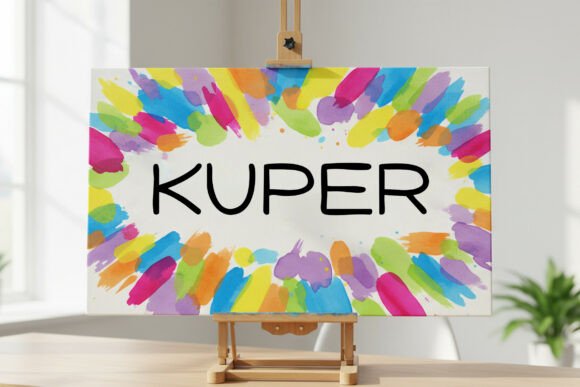
In a digital landscape increasingly dominated by clean, minimalist typography, there’s a growing appreciation for fonts that feel personal, expressive, and full of life. Kuper emerges as a standout choice for designers and creators looking to inject warmth and personality into their work. This playful handwritten font, with its bouncy curves and relaxed strokes, offers a refreshing contrast to the rigid uniformity of standard typefaces.
Unlike traditional fonts designed for readability or formality, Kuper embraces the charm of imperfection. Each letter carries a sense of motion and individuality, making it ideal for projects that require a human touch. Whether it's used in branding, packaging, or digital content, Kuper brings a cheerful, approachable energy that resonates with audiences across age groups and industries.
Why Handwritten Fonts Are Gaining Popularity
The rise of Kuper coincides with a broader shift in design preferences. In recent years, consumers have shown a stronger emotional response to content that feels authentic and relatable. This trend is especially noticeable in branding and marketing, where businesses aim to build deeper connections with their audiences. Handwritten fonts like Kuper tap into this desire for authenticity by mimicking the natural, organic quality of real handwriting.
This shift is also influenced by changing digital habits. As more people engage with content on mobile devices and social media platforms, the demand for visually appealing yet casual aesthetics has increased. Kuper fits seamlessly into this context, offering a lively, energetic presence that stands out in fast-scrolling feeds and visually rich environments.
Applications That Bring Kuper to Life
One of the most compelling aspects of Kuper is its versatility. While it’s particularly well-suited for child-friendly or lifestyle-oriented projects, its appeal extends far beyond niche categories. Here are some practical applications where Kuper can make a meaningful impact:
- Brand Identity: Startups and small businesses looking to establish a friendly, approachable image can use Kuper to create a visual identity that feels warm and inviting.
- Packaging Design: From artisanal food labels to boutique product tags, Kuper adds a sense of craftsmanship and personality that appeals to modern consumers.
- Social Media Content: Whether it's for Instagram stories, promotional posts, or influencer collaborations, Kuper enhances visual storytelling with a casual, expressive tone.
- Printed Materials: Greeting cards, stickers, and stationery benefit from Kuper’s playful character, making them more engaging and memorable.
- Educational and Creative Tools: Teachers and content creators can use Kuper to design visually appealing worksheets, presentations, and learning materials that feel more engaging to students.
Designing with Kuper: Practical Considerations
When incorporating Kuper into a design project, it’s important to balance its expressive nature with overall readability and visual harmony. While its playful style is a strong asset, overuse can lead to clutter or reduced legibility—especially in longer text blocks. Designers should consider using Kuper primarily for headlines, callouts, or accent text rather than extended body copy.
Pairing Kuper with simpler, more structured fonts can create an effective contrast that enhances both visual appeal and clarity. For example, using Kuper for a headline and a clean sans-serif font for supporting text allows the playful element to shine without overwhelming the design. Additionally, experimenting with spacing and color can further highlight the font’s natural flow and rhythm.
The Emotional Impact of Typography
Typography plays a crucial role in shaping how audiences perceive and interact with content. The choice of font can influence emotions, convey tone, and even affect trust and engagement. Kuper, with its inherently joyful and personable style, helps communicate messages in a way that feels genuine and approachable.
This emotional resonance is especially valuable in today’s fast-paced digital world, where attention spans are short and visual fatigue is common. Fonts that evoke warmth and familiarity can cut through the noise and create moments of connection. Whether it’s a product label that feels like a handwritten note or a social media post that looks like it was crafted with care, Kuper helps designers create those meaningful visual experiences.
How Kuper Fits Into Modern Creative Workflows
As design tools become more accessible and intuitive, the barrier to entry for creators has significantly lowered. Platforms like Canva, Adobe Express, and Figma allow even non-designers to produce high-quality visuals. In this evolving landscape, fonts like Kuper offer a ready-made solution for adding character and professionalism without requiring advanced typographic knowledge.
Moreover, the increasing use of AI-powered design tools means that font selection is often guided by algorithms that prioritize readability, aesthetics, and brand alignment. Kuper’s clear personality and adaptability make it a strong candidate for inclusion in these automated systems, ensuring that users can easily access and apply it in a variety of contexts.
Looking Ahead: The Future of Playful Typography
As consumer preferences continue to evolve, the demand for expressive, emotionally resonant design is likely to grow. Fonts like Kuper represent a shift toward more human-centered design choices that prioritize connection over consistency. While trends in typography will inevitably change, the core value of fonts that convey warmth and individuality remains relevant.
For designers and creators, the key takeaway is to remain adaptable while staying true to the emotional tone of their work. Whether you're building a brand from scratch or adding a finishing touch to a creative project, Kuper offers a versatile and joyful option that enhances visual communication in a meaningful way.
With its unique blend of playfulness and professionalism, Kuper is more than just a font—it’s a tool for storytelling, branding, and creative expression. By embracing its character-driven design, users can craft visuals that feel both spontaneous and intentional, making their work stand out in an increasingly visual and fast-moving world.