Embrace the Darkness with Death Card: Redefining Visual Impact in a Digital Age
In an era where digital content is often sanitized, rounded, and overly minimalist, there is a growing hunger for visual language that cuts through the noise with raw, unfiltered intensity. This shift has given rise to a resurgence of gothic aesthetics and macabre typography, leading professionals and creators to seek tools that can deliver a truly terrifying impact. Enter Death Card, a spine-chilling display typeface designed specifically for the bold and the macabre. More than just a font, Death Card represents a strategic pivot in how brands, designers, and marketers communicate danger, mystery, and edgy sophistication.
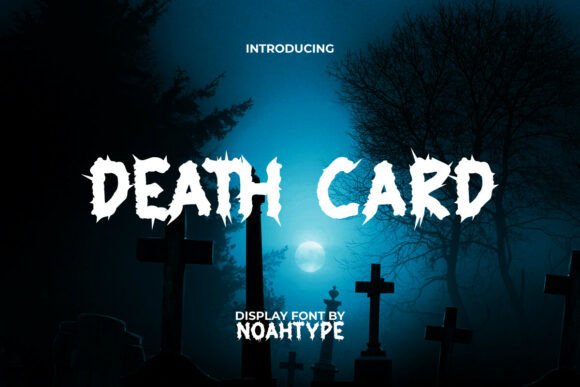
The modern design landscape is no longer satisfied with safe choices. Whether you are designing for a haunted house attraction, launching an edgy streetwear line, or creating a heavy metal album cover, the stakes have changed. Audiences are looking for authenticity and visceral reactions. The Death Card font answers this call by offering jagged, thorn-like edges and a distressed, hand-drawn texture that feels like it was ripped straight from a gothic nightmare. It is not merely a decorative element; it is a narrative device that sets the tone before a single word is read.
The Anatomy of Fear: What Makes Death Card Unique?
To understand why the Death Card typeface is gaining traction among industry leaders, one must first appreciate its construction. Unlike standard serif or sans-serif fonts that prioritize legibility above all else, Death Card prioritizes atmosphere. Its defining characteristics include irregular stroke widths, sharp terminations that mimic thorns, and a surface texture that suggests decay and age. These elements combine to create a visual rhythm that is unsettling yet compelling.
This specific aesthetic serves a crucial function in visual storytelling. When a viewer encounters text rendered in Death Card, their brain immediately registers a sense of unease. This psychological trigger is invaluable for industries rooted in thrill and suspense. The font does not whisper; it screams. For professionals working in horror marketing, event promotion, or alternative fashion, this immediate emotional connection is the difference between a campaign that is ignored and one that is remembered.
- Jagged Edges: The thorn-like contours break the smooth lines typical of digital interfaces, creating friction and visual tension.
- Distressed Texture: The hand-drawn quality adds a layer of human imperfection, making the design feel organic and dangerous rather than algorithmically generated.
- Gothic Proportions: The letterforms utilize high contrast and dramatic spacing to enhance readability at large scales while maintaining an ominous presence.
Market Trends: Why the Macabre is Mainstream
The popularity of the Death Card font is not an isolated phenomenon; it is part of a broader cultural shift toward "dark aesthetics" in mainstream media and commerce. We are witnessing a convergence of trends where horror, grunge, and gothic subcultures are influencing everything from high-end fashion to corporate branding. Consumers, particularly younger demographics, are increasingly drawn to brands that challenge norms and embrace the darker aspects of human experience.
This trend is evident in the music industry, where heavy metal and darkwave genres continue to dominate festival circuits. Album covers and tour posters now frequently utilize typography that mirrors the intensity of the music. Similarly, the streetwear market has seen a surge in designs that incorporate occult imagery and distressed textures. In these contexts, the Death Card typeface becomes more than a design choice; it becomes a badge of identity for communities that value rebellion and depth over superficial polish.
Furthermore, the entertainment sector is leveraging these visuals to elevate the perceived quality of their productions. Horror movie posters have evolved from simple shock tactics to sophisticated works of art that rely heavily on typography to convey genre and tone. By using a font like Death Card, filmmakers signal to their audience that they are prepared to deliver an experience that is immersive and intense. This alignment between visual style and consumer expectation is critical for successful marketing campaigns.
Adapting to Changing Consumer Expectations
As digital fatigue sets in, audiences are becoming desensitized to clean, corporate design. They crave experiences that feel tactile, raw, and real. The changing needs of consumers demand that creators move beyond the standard toolkit of geometric sans-serifs. There is a growing preference for designs that tell a story and evoke emotion. The Death Card font meets this need by providing a visual language that is inherently narrative-driven.
Marketers and entrepreneurs are recognizing that standing out requires taking risks. In a saturated marketplace, safety is the enemy of visibility. By incorporating a font that embodies chaos and darkness, brands can carve out a unique position in the minds of their target audience. This strategy is particularly effective for niche markets where the product or service is already associated with excitement, fear, or exclusivity.
Practical Applications: Unlocking the Power of Death Card
While the aesthetic appeal of the Death Card typeface is undeniable, its true potential is unlocked when used correctly within a broader design system. To truly harness its power, designers must consider scale, context, and supporting elements. Using this font in small sizes or dense blocks of text will diminish its impact and compromise readability. Instead, it should be treated as a headline element, reserved for moments where maximum drama is required.
- Large-Scale Headlines: Deploy the Death Card font in large sizes for posters, banners, and hero images. Its intricate details are best appreciated when they can be seen clearly, allowing the jagged edges to catch the light and cast shadows.
- Dramatic Lighting Effects: Pair the font with lighting effects that enhance its three-dimensional quality. Glows, drop shadows, and gradients can simulate the feeling of fire, blood, or moonlight, adding another layer of immersion.
- Gritty Textures: Combine the font with backgrounds that feature noise, grunge, or decay. A clean white background may dilute the effect, whereas a textured backdrop reinforces the distressed nature of the typeface.
For example, a designer creating a promotional campaign for a Halloween-themed event might use the Death Card font for the main title, overlaying it on a background of fog and broken wood. The contrast between the sharp, thorny letters and the soft, diffuse background creates a dynamic tension that draws the eye. Similarly, a streetwear brand might print the font on heavy cotton hoodies, using the distressed texture to mimic the look of worn fabric, thereby reinforcing the brand's commitment to durability and edge.
Strategic Implementation for Professionals
For freelancers and agencies, integrating a specialized typeface like Death Card into their workflow offers a competitive advantage. It demonstrates an understanding of current trends and a willingness to push creative boundaries. Clients in the entertainment, gaming, and fashion sectors are actively seeking partners who can deliver this level of specificity. By mastering the use of such fonts, professionals can expand their portfolio and attract higher-value projects.
Moreover, the versatility of the Death Card font allows it to bridge gaps between different mediums. It translates well from print to digital, provided that the resolution and rendering settings are optimized. On social media platforms, where attention spans are short, a post featuring bold, macabre typography can stop the scroll instantly. The visual weight of the font commands attention, making it an excellent tool for driving engagement and click-through rates.
However, it is important to exercise restraint. The power of the Death Card font lies in its ability to shock and intrigue. Overuse can lead to diminishing returns, causing the design to feel clichéd rather than innovative. Strategic application ensures that the font remains a powerful asset rather than a gimmick. Designers should ask themselves if the message aligns with the medium before committing to this aggressive typographic style.
The Future of Dark Typography
Looking ahead, the role of dark and distressed typography in design is likely to grow. As technology advances, we can expect to see even more sophisticated applications of fonts like Death Card in augmented reality (AR) and virtual reality (VR) environments. Imagine walking through a virtual haunted house where the signage pulses with the jagged energy of the Death Card typeface, reacting to your movement. The possibilities for immersive storytelling are endless.
Additionally, the intersection of AI and design may lead to new variations of these classic styles, but the core appeal of the hand-drawn, imperfect aesthetic will remain. Human creativity, with its flaws and quirks, continues to resonate deeply with audiences. The Death Card font captures this essence perfectly, serving as a reminder that sometimes, the most effective way to connect with people is to embrace the darkness.
In conclusion, the Death Card typeface is more than a collection of characters; it is a statement. It challenges designers to think boldly and encourages brands to step out of the comfort zone. Whether you are crafting a horror movie poster, designing a heavy metal album cover, or rebranding a streetwear line, this font offers the tools necessary to deliver a message with terrifying impact. By embracing the darkness, creators can unlock new levels of engagement and leave a lasting impression on their audience.
As the design industry continues to evolve, those who dare to wield the power of fonts like Death Card will find themselves at the forefront of a movement that values authenticity, intensity, and the raw beauty of the macabre. The future belongs to the bold, and the Death Card font is the ultimate tool for those ready to claim it.