Charlie Christmas: A Modern Display Font for Warm Branding
In the crowded landscape of digital typography, finding a typeface that balances professionalism with genuine warmth can be a significant challenge. Designers often face a binary choice between rigid, geometric sans-serifs that feel corporate and cold, or overly decorative scripts that sacrifice readability for style. Charlie Christmas emerges as a sophisticated solution to this dilemma, offering a casual yet neat display font that bridges the gap between approachability and polish. By combining simplicity with a friendly vibe, this typeface has become a versatile asset for professionals seeking to humanize their visual communication without compromising on clarity.
The Anatomy of Approachable Typography
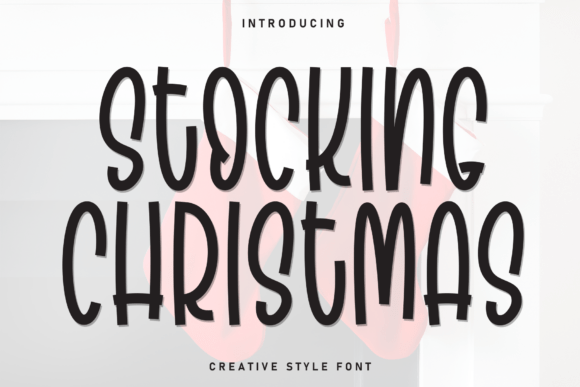
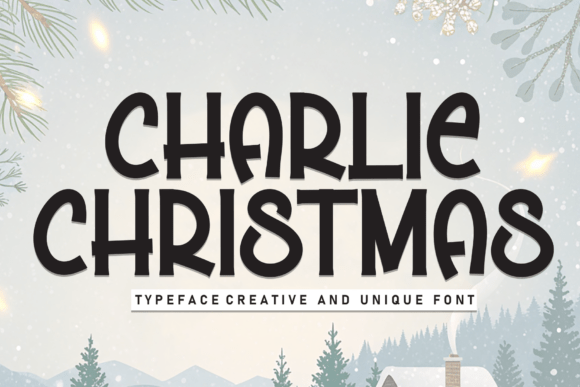
Understanding why Charlie Christmas resonates so well with modern audiences requires a closer look at its structural design. At its core, the font is defined by clean lines and balanced letterforms that ensure legibility across various mediums. Unlike traditional handwritten fonts that can appear messy or inconsistent, Charlie Christmas features subtle rounded edges that soften the overall aesthetic while maintaining a crisp structure. This specific combination creates a unique visual rhythm that feels organic yet controlled.
The "neat" aspect of the design is particularly crucial for professional applications. Many casual fonts suffer from excessive flourishes or irregular spacing that disrupts the reading flow. In contrast, Charlie Christmas maintains a consistent x-height and generous character spacing, which allows text to breathe. This attention to detail ensures that even when used in headlines or short paragraphs, the message remains clear and impactful. The polished finish gives the impression of careful craftsmanship, suggesting reliability and attention to quality—traits that are essential for any brand looking to establish trust with its audience.
Design Philosophy and Visual Harmony
The philosophy behind Charlie Christmas is rooted in the idea that typography should serve as an invitation rather than a barrier. The rounded edges act as visual softeners, reducing the harshness often associated with strict geometric forms. This design choice taps into psychological responses where curves are subconsciously perceived as safer and more welcoming than sharp angles. For educators creating learning materials or business owners designing packaging, this subtle shift in geometry can significantly alter how the content is received.
Furthermore, the font captures the essence of modern handwritten typography without mimicking it slavishly. It abstracts the natural movement of a pen or brush into a digital format that is scalable and reproducible. This abstraction allows the font to retain the charm of a personal note while adhering to the technical requirements of modern web and print standards. The result is a typeface that feels like it was written by a friend, but printed by a professional studio.
Strategic Applications in Branding and Marketing
The versatility of Charlie Christmas makes it an excellent candidate for a wide array of branding strategies. Its ability to convey warmth and inviting tones makes it particularly effective for industries focused on community, lifestyle, and personal connection. When integrated into a logo or brand identity, the font immediately signals to the consumer that the brand values approachability and transparency.
- Lifestyle and Wellness Brands: Companies in the yoga, meditation, and organic food sectors often struggle to find fonts that feel both premium and grounded. Charlie Christmas provides the perfect balance, allowing these brands to communicate their values of health and mindfulness through a visual language that feels calm and reassuring.
- Creative Agencies and Portfolios: For designers and creatives, the font serves as a statement piece. Using it for portfolio headers or agency names suggests a collaborative and open working environment. It moves away from the sterile, minimalist trend that dominates tech, offering a more human-centric alternative.
- Educational Resources: Educators and course creators can leverage the friendly nature of the font to make complex topics seem less intimidating. When used for module titles or key takeaways, the rounded forms create a sense of encouragement, fostering a positive learning atmosphere.
Enhancing Digital Content Engagement
In the realm of digital content, user attention spans are short, and the first impression is formed within milliseconds. Headlines play a pivotal role in capturing this fleeting attention. Charlie Christmas excels in this context because its distinctive shape stands out against standard body text without becoming distracting. The font's clarity ensures that even on smaller mobile screens, the headline remains readable, driving higher click-through rates.
Beyond headlines, the font is highly effective for call-to-action (CTA) buttons and interface elements. A button labeled "Join Our Community" or "Start Your Journey" in Charlie Christmas feels more personal and actionable than one in a standard sans-serif. This subtle psychological nudge can lead to improved conversion metrics, as users perceive the interaction as a conversation rather than a transaction. For e-commerce sites, this distinction can be the difference between a cart abandonment and a completed purchase.
Packaging Design and Physical Media
While digital applications are prominent, the physical world offers equally compelling opportunities for Charlie Christmas. Packaging design relies heavily on typography to communicate product quality and brand personality before a customer even touches the item. The neat and friendly characteristics of this font translate beautifully onto labels, boxes, and tags.
Consider a small-batch coffee roaster or a boutique skincare line. These products often compete on the basis of artisanal quality and personal care. Using a font that looks mass-produced and industrial would undermine the brand story. Charlie Christmas, with its handcrafted appearance, reinforces the narrative of care and attention to detail. The rounded edges mimic the tactile experience of the product itself, creating a cohesive sensory journey for the consumer.
Moreover, the font's versatility extends to various printing techniques. Whether embossed on thick cardstock, screen-printed on fabric, or laser-etched on glass, the clean lines of Charlie Christmas hold up remarkably well. The lack of intricate internal details means that the font does not lose definition when scaled down for small labels or expanded for large banners. This scalability is a critical consideration for businesses that need to maintain brand consistency across different touchpoints, from social media posts to shipping boxes.
Navigating Implementation and Best Practices
While Charlie Christmas is a powerful tool, like any typeface, it requires thoughtful implementation to maximize its potential. One of the primary considerations is pairing. Because the font has such a distinct personality, it works best when paired with a neutral, high-contrast sans-serif or a simple serif for body text. This contrast allows Charlie Christmas to shine in headlines and accents without overwhelming the reader.
Another key factor is hierarchy. Since it is a display font, it should generally be reserved for larger sizes. Using it for long blocks of body text can reduce readability due to the stylized nature of the characters. Instead, designers should use it to break up content, highlight key statistics, or frame important messages. This strategic placement ensures that the font adds value to the layout rather than cluttering it.
- Color Contrast: To maintain the crisp structure of the font, ensure there is sufficient contrast between the text color and the background. Light gray backgrounds with dark charcoal text, or vice versa, work exceptionally well to preserve the legibility of the rounded edges.
- Kerning and Spacing: While the font comes with balanced letterforms, slight adjustments to tracking (letter-spacing) can enhance its impact. Increasing the spacing slightly can give the text a more airy, luxurious feel, while tightening it can create a sense of urgency or intimacy.
- Contextual Relevance: Always consider the emotional tone of the project. If the message is serious or somber, the cheerful nature of Charlie Christmas might be inappropriate. However, for projects aiming to inspire, comfort, or celebrate, it is an ideal choice.
Trends in Casual Typography
The rise of fonts like Charlie Christmas reflects a broader shift in design trends toward authenticity and human connection. In an era dominated by automation and artificial intelligence, consumers crave genuine interactions. Typography that feels too perfect or robotic can create distance, whereas fonts with a hint of imperfection or hand-drawn quality foster a sense of shared humanity.
This trend is evident across various sectors, from tech startups trying to soften their image to established corporations rebranding to appeal to younger demographics. The "modern handwritten" aesthetic is no longer just for greeting cards; it is a strategic asset for building brand loyalty. As more businesses recognize the power of emotional design, the demand for versatile, warm display fonts will continue to grow.
Conclusion on Visual Impact
Charlie Christmas represents more than just a collection of letters; it is a design strategy for creating connections. By merging the simplicity of modern design with the warmth of handwriting, it offers a unique solution for those who want their work to stand out with charm and clarity. Whether applied to a digital headline, a product label, or a brand logo, its balanced letterforms and subtle rounded edges deliver a consistent message of welcome and professionalism.
For creators, business owners, and designers, the decision to use a font like Charlie Christmas is a decision to prioritize the human element in communication. It acknowledges that while data and efficiency are important, the emotional resonance of a design is what truly drives engagement. As the visual landscape continues to evolve, typefaces that can adapt to diverse needs while maintaining a distinct personality will remain indispensable tools in the creative arsenal.