Ar-Rihala: Bridging Traditional Calligraphy and Modern Design
In the realm of graphic design, few challenges are as persistent as finding a typeface that honors cultural heritage while meeting the demands of contemporary aesthetics. Designers working on projects with Middle Eastern influences often struggle to move beyond generic, overused scripts that lack depth or fail to render well in digital environments. This is where Ar-Rihala emerges as a transformative solution. More than just a font, Ar-Rihala is a stunning Arabic-style typeface that bridges the gap between traditional calligraphy and contemporary display design. It offers a unique visual language for brands and creators seeking to evoke history, luxury, and spiritual resonance without sacrificing readability or modern sophistication.
The Unique Aesthetic of Ar-Rihala
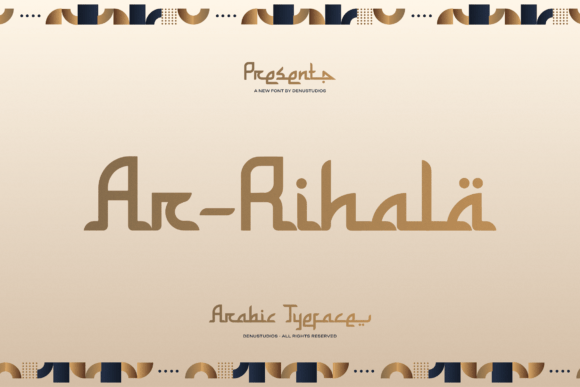
To understand why Ar-Rihala stands out, one must look at its structural foundation. Unlike many decorative fonts that prioritize ornamentation over form, Ar-Rihala features fluid, organic connections grounded in geometric precision. This combination gives the typeface a rhythmic, almost hypnotic quality that draws the eye naturally across the text. The strokes mimic the flow of traditional ink on paper, yet they possess a clean, vectorized sharpness that ensures clarity on high-resolution screens and large-format prints.
The core appeal of this typeface lies in its "Arabesque" aesthetic. This style is characterized by intricate patterns and flowing lines that suggest movement and continuity. When applied to a design project, Ar-Rihala does not merely sit on the page; it interacts with the surrounding space, creating a dynamic visual experience. For designers who need to communicate elegance and authenticity, this font provides a ready-made vocabulary of shapes and curves that feel both ancient and immediately relevant.
Solving Common Design Challenges
Many professionals face specific hurdles when incorporating Arabic typography into their work. One common issue is the difficulty of pairing script fonts with Latin characters in a way that feels cohesive rather than disjointed. Another challenge is ensuring that the font remains legible when scaled down for packaging or scaled up for posters. Generic Arabic fonts often break down under these conditions, losing their character or becoming illegible blobs of ink.
Ar-Rihala addresses these pain points directly. Its geometric foundations ensure that even at smaller sizes, the distinct characteristics of the letters remain intact, preventing the loss of detail that plagues many ornate scripts. Furthermore, the font's balanced weight distribution makes it exceptionally versatile. Whether you are designing a delicate logo for a boutique perfume brand or a bold headline for a festival poster, Ar-Rihala maintains its integrity. It solves the problem of "cultural cliché" by offering a fresh, sophisticated interpretation of Arabic forms that avoids the trap of looking dated or kitschy.
Practical Applications in Branding and Marketing
The versatility of Ar-Rihala makes it an ideal choice for a wide range of branding projects that require a Middle Eastern touch. In the luxury sector, for instance, the font's elegant curves align perfectly with the values of exclusivity and craftsmanship. Imagine a high-end product packaging design for dates, olive oil, or artisanal textiles. Using Ar-Rihala for the primary brand name instantly elevates the perceived value of the product, signaling to the consumer that this is a premium item with deep roots in tradition.
Seasonal marketing campaigns also benefit significantly from this typeface. During Ramadan, businesses often seek to create materials that resonate with the spiritual and communal aspects of the month. Posters, social media graphics, and event invitations designed with Ar-Rihala convey a sense of reverence and celebration. The fluid nature of the font mimics the flow of prayer beads or the arches of historic mosques, creating an immediate emotional connection with the audience. It allows marketers to craft messages that feel personal and culturally aware, rather than commercial and impersonal.
Key Use Cases for Ar-Rihala
- Luxury Product Packaging: Ideal for labels on perfumes, cosmetics, and gourmet foods where elegance is paramount.
- Islamic Art and Book Covers: Perfect for titles that need to stand out while maintaining a respectful, artistic tone.
- Ramadan-Themed Marketing: Excellent for banners, flyers, and digital ads celebrating the holy month.
- Cultural Event Branding: Suitable for festivals, exhibitions, and conferences focused on Middle Eastern heritage.
- Interior Signage: Works beautifully in restaurants and hotels aiming to create an immersive atmosphere.
Mastering Typography Pairings
While Ar-Rihala is powerful on its own, its true potential is unlocked when paired correctly with other typefaces. A common mistake is pairing it with another decorative font, which can result in visual clutter and competition for attention. To achieve a design that feels both historically rooted and modernly sophisticated, the best approach is to pair Ar-Rihala with a simple, high-contrast serif.
This combination creates a harmonious balance. The complex, organic curves of Ar-Rihala provide the focal point and the cultural narrative, while the clean, structured lines of a serif font handle the body copy and functional information. The high contrast in the serif adds a touch of editorial elegance that complements the luxury feel of the Arabic script. For example, a book cover might feature the title in large, flowing Ar-Rihala, while the author's name and subtitle are set in a crisp, classic serif like Bodoni or Didot. This juxtaposition highlights the beauty of the Arabic calligraphy without overwhelming the reader.
Tailoring the Approach for Different Users
Different users will approach Ar-Rihala based on their specific goals and expertise levels. Professional graphic designers might focus on manipulating the kerning and leading to create custom layouts that maximize the font's rhythmic qualities. They may use it as the central element of a logo, experimenting with negative space to integrate the letterforms into larger graphic motifs.
On the other hand, small business owners or content creators might use Ar-Rihala more straightforwardly to add instant credibility and style to their social media posts or website headers. For these users, the font serves as a quick tool to signal quality and cultural competence. They might apply it to Instagram stories during Ramadan or use it for the header of a blog post about Middle Eastern cuisine. Regardless of the user's skill level, the font's intuitive design ensures that the results are consistently professional and visually appealing.
Implementation Considerations
When implementing Ar-Rihala in a project, there are a few practical considerations to keep in mind to ensure the best outcomes. First, always consider the context of the message. Because the font has such a strong personality, it works best for headlines, logos, and short phrases. Long paragraphs of text in Ar-Rihala can be difficult to read due to the intricate details, so it is best reserved for display purposes.
Second, pay attention to color and background. The fluid lines of the font interact uniquely with different textures. On a solid, dark background, the white or gold version of Ar-Rihala can appear striking and regal. On textured backgrounds like parchment or fabric, it enhances the tactile feel of the design. Finally, test your designs across various mediums. Ensure that the font renders correctly on mobile devices, as the fine details of the organic connections need sufficient resolution to remain clear.
Conclusion
Ar-Rihala represents a significant step forward in the world of Arabic typography. By merging the soul of traditional calligraphy with the precision of modern design, it offers a solution to the age-old problem of balancing heritage with innovation. Whether you are crafting a luxury brand identity, designing a seasonal campaign, or simply looking to add a touch of Middle Eastern elegance to your work, this typeface provides the tools you need. Its ability to evoke emotion, command attention, and pair seamlessly with contemporary styles makes it an indispensable asset for any designer. Embrace the rhythm and beauty of Ar-Rihala to create designs that are not only seen but felt.